
No products
Product successfully added to your shopping cart


















































Viewed products
-

-

UDP100125 ELDON...
ARM.POL. 1000x1250x320 2P, ARM.POL....
Installation bus systems
Installation bus systems, also known as fieldbus systems or building automation networks, are the backbone of modern distributed control architectures. These systems enable communication between sensors, actuators, controllers, and human-machine interfaces (HMIs) over a shared digital bus, replacing traditional point-to-point wiring. Key technic...
Installation bus systems, also known as fieldbus systems or building automation networks, are the backbone of modern distributed control architectures. These systems enable communication between sensors, actuators, controllers, and human-machine interfaces (HMIs) over a shared digital bus, replacing traditional point-to-point wiring. Key technical parameters include bus topology (e.g., line, star, ring), data transmission rates (typically from 9.6 kbps to 12 Mbps), physical layer standards (RS-485, CAN, Ethernet), and protocol types such as KNX, Modbus RTU, BACnet, or Profibus. Devices are often powered via the bus itself (bus-powered) or require separate auxiliary power supplies. The number of nodes per segment, maximum cable length, and termination resistors are critical for signal integrity. Installation bus systems support both analog and digital I/O, with modular expansion through bus couplers and repeaters.
These systems are deployed across industrial automation, commercial building management, and smart infrastructure projects. Typical environments include electrical distribution panels, motor control centers (MCCs), HVAC control cabinets, lighting control systems, and security access networks. In industrial settings, they integrate with programmable logic controllers (PLCs) and distributed control systems (DCS) for real-time process monitoring. In building automation, they manage energy efficiency, occupancy sensing, and centralized lighting or shading control. The modular nature allows for easy retrofitting in existing installations without major rewiring.
Key subcategories within installation bus systems include bus couplers, bus terminals, bus connectors, and bus power supplies. For example, the WAGO 750-352 bus coupler for ETHERNET supports Modbus TCP and has a part number structure starting with 750- followed by a three-digit suffix. The Siemens 6GK7 series for PROFINET includes models like 6GK7342-5DA02-0XE0, where the first digits indicate the product family and the suffix specifies interface type. The Beckhoff BK9000 series for EtherCAT couplers follows a similar logic with BK prefix and numeric codes for bus interface variants. These components are essential for building scalable, multi-vendor automation networks.
At Electric Automation Network, we provide global express shipping and dedicated engineering support for installation bus systems. Our team of specialized engineers assists with system design, component selection, and troubleshooting, ensuring seamless integration into your existing infrastructure. We offer real-time pricing and technical documentation for each article, including wiring diagrams and configuration guides. Whether you need a single bus coupler or a complete network setup, our logistics network ensures fast delivery worldwide, minimizing downtime and project delays.
Subcategories
-
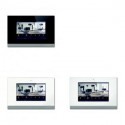
Signalling and operation panel for bus system
-

Touch rocker for bus system
-
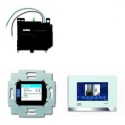
Bus coupler for bus system
-
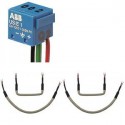
Connection-/branching terminal for bus system
-
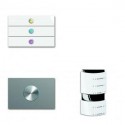
Touch sensor for bus system
-
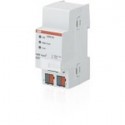
Area/line coupler for bus system
-
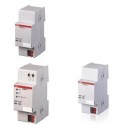
Logic component for bus system
-
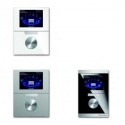
Display for bus system
-
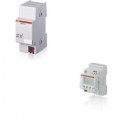
Time switch for bus system
-
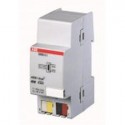
Band suppressor/choke for bus system
-
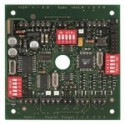
Access control unit for bus system
-
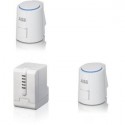
Actuating drive for bus system
-
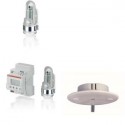
Brightness sensor for bus system
-
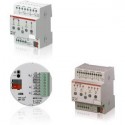
Sensor control for bus system
-
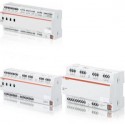
Basic module for bus system
-
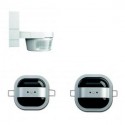
Movement sensor for bus system
-
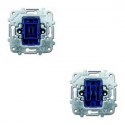
Touch sensor connector for bus system
-
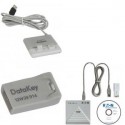
PC-programming set for time switch for bus system
-
Data rail for bus system
-
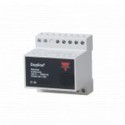
Driver module for bus system
All ratings we receive from the items we offer are real and verified. A small gesture, but a lot of value. That's why we thank you for that minute you invest in leaving us your opinion and qualification about the products, because it helps us to continue improving and to offer you a service of even higher quality.