
No products
Product successfully added to your shopping cart



















































Viewed products

Cable carrying systems
Cable carrying systems, also known as cable trays, cable ladders, cable ducts, or wire mesh cable management systems, are essential infrastructure for routing and supporting electrical cables, data cables, and control wiring in industrial, commercial, and utility installations. These systems are designed to handle a wide range of cable types, fr...
Cable carrying systems, also known as cable trays, cable ladders, cable ducts, or wire mesh cable management systems, are essential infrastructure for routing and supporting electrical cables, data cables, and control wiring in industrial, commercial, and utility installations. These systems are designed to handle a wide range of cable types, from low-voltage control cables to high-voltage power cables, and are available in various materials such as galvanized steel, stainless steel, aluminum, and fiberglass-reinforced plastic. Key technical parameters include load capacity (measured in kg/m), width and height dimensions (e.g., 100mm to 600mm widths), and corrosion resistance ratings. Cable carrying systems can be configured with straight sections, bends, tees, crosses, and reducers, and are often complemented by accessories like covers, dividers, and fixing brackets. They provide mechanical protection, heat dissipation, and easy access for cable maintenance, making them a preferred choice over conduit systems in large-scale installations.
Cable carrying systems are deployed across a broad spectrum of sectors, including industrial manufacturing plants, power generation facilities, oil and gas refineries, data centers, commercial buildings, and transportation infrastructure like tunnels and airports. In industrial environments, they are used to organize power and control cables within electrical rooms, switchgear areas, and production lines. In data centers, they support structured cabling for network and server connections. These systems are typically installed in cable trenches, overhead racks, or along walls and ceilings, and must comply with standards such as IEC 61537 for cable tray systems and NEMA VE 1 for cable ladder systems. The choice of system depends on factors like cable weight, environmental conditions (e.g., outdoor exposure, chemical resistance), and fire safety requirements.
Our catalog includes several subcategories of cable carrying systems: cable trays (perforated, solid-bottom, and trough types), cable ladders (with rung spacing from 100mm to 300mm), wire mesh cable trays (flexible and lightweight), and cable ducts (closed or ventilated). Key article codes follow a structured format: for example, "CT-GS-300-100" might denote a galvanized steel cable tray with 300mm width and 100mm height, while "CL-SS-200-50" could indicate a stainless steel cable ladder with 200mm width and 50mm rung spacing. Other common codes include "WM-AL-150" for aluminum wire mesh trays and "CD-PVC-100x50" for PVC cable ducts. These codes help identify material, dimensions, and type at a glance, ensuring accurate selection for specific projects.
Partnering with Electric Automation Network ensures access to a comprehensive range of cable carrying systems with real-time pricing and global express shipping. Our team of specialized engineers provides technical support for system design, load calculations, and material selection, helping you optimize cable routing and reduce installation time. We offer detailed technical documentation for each article, including load tables, installation guides, and compliance certificates. Whether you need a small quantity for a retrofit or bulk supply for a new plant, we deliver efficiently worldwide, backed by expert advice to ensure your cable management meets the highest standards of safety and performance.
Subcategories
-
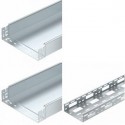
Cable tray/wide span cable tray
-
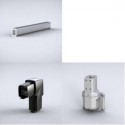
Profile support arm
-
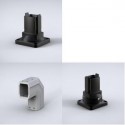
Connection for support arm
-
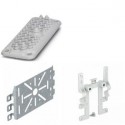
Mounting plate for cable support system
-
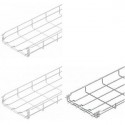
Mesh cable tray
-
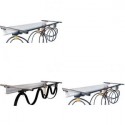
Accessories/spare parts for cable carrying system
-
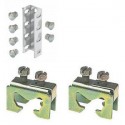
Coupler for support/profile rail
-
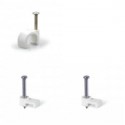
Accessories/spare parts for installation rail current/data cable
-
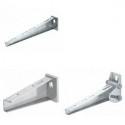
Bracket for cable support system
-
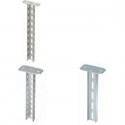
Ceiling profile for cable support system
-
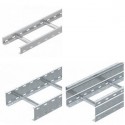
Cable ladder/wide span cable ladder
-
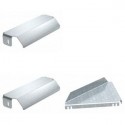
Corner plate for cable ladder
-
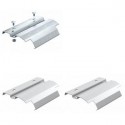
Drop-out plate for cable ladder
-
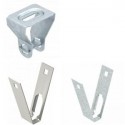
Ceiling bracket for cable support system
-
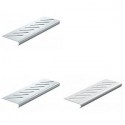
Bottom end plate for cable tray
-
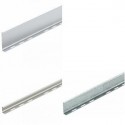
Separation plate for cable support system
-
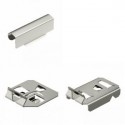
Mounting clamp for separation plate cable support system
-
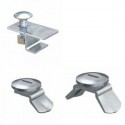
Clamp for cover cable support system
-
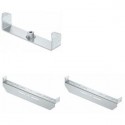
Wall- and ceiling bracket for cable support system
-
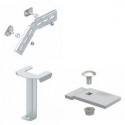
Mounting material for cable support system
-
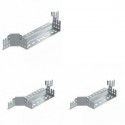
Add-on tee for cable tray
-
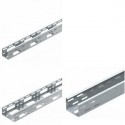
Luminaire carrier tray
-
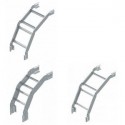
Bend for cable ladder
-
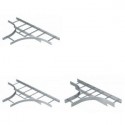
Tee for cable ladder
-
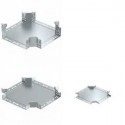
Cross piece for cable tray
-
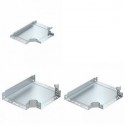
Tee for cable tray
-
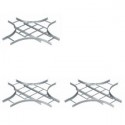
Cross piece for cable ladder
-
Cover coupler for cable support system
-
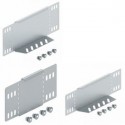
End piece for cable tray
-
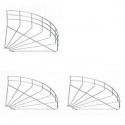
Bend for mesh cable tray
-
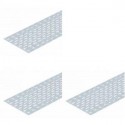
Insert plate for cable ladder
-
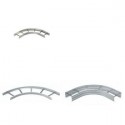
Bend for cable ladder
-
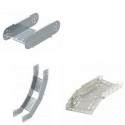
Bend for cable tray
-
Add-on tee cover for cable support system
-
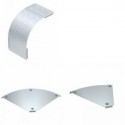
Bend cover for cable support system
-
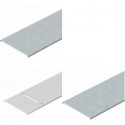
Cover for cable support system
-
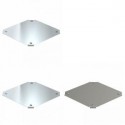
Cover cross piece for cable support system
-
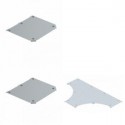
Tee cover for cable support system
-
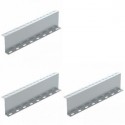
Profile column for cable ladder
-
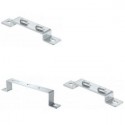
Support bracket for cable support system
-
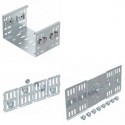
Connector for cable support system
-
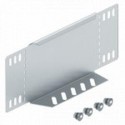
Reducing piece for cable tray
All ratings we receive from the items we offer are real and verified. A small gesture, but a lot of value. That's why we thank you for that minute you invest in leaving us your opinion and qualification about the products, because it helps us to continue improving and to offer you a service of even higher quality.